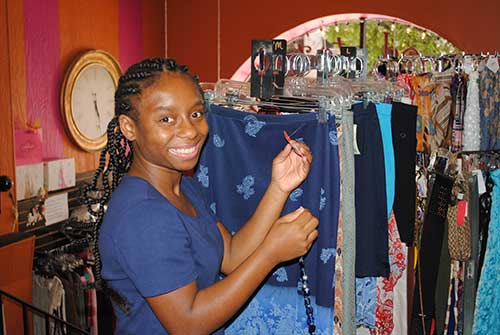
Work
A job can be so much more than a paycheck. Work can help you:
- Build confidence and independence
- Learn new skills and gain experience
- Make friends and grow your support network
- Feel proud of making a difference and being part of something bigger
- Earn money to support your goals, hobbies, and dreams
Work Safety Tips
- Know your rights. You have the right to work in a safe place without discrimination.
- Speak up if something feels wrong. Tell a supervisor, teacher, or trusted adult if you feel unsafe or uncomfortable at work.
- Keep personal info private. Only share what’s required for hiring (like your Social Security number) with authorized staff.
- Use safe work practices. Follow safety rules and use equipment correctly.
- Ask for help. If you need an accommodation or assistive technology, talk to your employer or job coach.
Key Resources:
- CareerOneStop: Career exploration, skill assessments, and training information.
- DORS Vocational Rehabilitation (VR): Job training, career counseling, and transition support (check your state’s VR agency).
- Benefits Counseling: Learn how working affects your benefits (ask your VR counselor or local Work Incentives Planning and Assistance program).
- Job Accommodation Network: Get ideas for workplace accommodations.
- Assistive Technology: Tools that help you with everyday life - things like taking care of yourself, learning, and working.
What I’ve Done and What’s Next
From this list, which are done and what do you want to work on next?
Ask a family member, friend or teacher to help you!
- I’ve tried a part-time job, internship, or volunteer work.
- I’ve explored careers using CareerOneStop or another tool.
- I have my Social Security number and photo ID.
- I know how to create a resume and cover letter.
- I understand when and how to share information about my disability.
- I know what assistive technology might help me at work.
More Helpful Topics to Explore
Sharing about your disability (disclosure):
Learn when, why, and how to tell an employer about your disability.
Assistive Technology (AT):
Tools, equipment, or software that help you work more independently. Start with the Job Accommodation Network or your local Center for Independent Living.
Your Workplace Rights:
Understand the laws that protect you from discrimination at work.
Getting Support:
Know who to contact if you have questions or concerns about working.
Things You Can Do Now in High School
- Try a part-time job or volunteer work.
This helps you build skills, meet people, and gain experience to put on your resume. - Explore careers.
Use the CareerOneStop website to take interest and skills assessments, learn about different jobs, and find out what training or education you might need. - Get involved in activities.
Clubs, sports, and community activities build teamwork, communication, and problem-solving skills.
Video Story
In this video, hear from employers about hiring young people with disabilities.
Note: This video is part of the “Work Early, Work Often” is a video series created by the Youth Transitions Collaborative. Together, the three-part campaign highlights the importance of work and work-based experiences in an individual’s transition to adulthood, particularly for young adults with disabilities.
Get Ready to Work
Before you apply for jobs, you’ll need:
- A Social Security number (SSN)
- An official photo ID (like a state ID or school-issued card)
- A certified birth certificate (some employers may ask for this)
When applying for jobs, you may also need:
- A resume
- A cover letter
- Completed job applications (online or paper)